Issue 001 — March 2026
Screen Share Week of 14 March 2026
This Issue

Hello.

First encounters, the moment of contact, and what we risk by reaching out.

Lead Film: Arrival (2016, Denis Villeneuve)
Read This Issue → Browse the Archive
Scroll
A note from the editor

Welcome to Screen Share. This is Issue 001, and its theme is Hello — first encounters, the moment of contact, what we risk by reaching out. The theme chose itself.

Screen Share is a weekly publication about film and television. Not reviews, not rankings — something closer to thinking out loud about what we watch and why it matters. Each issue takes a theme and follows it through everything on our radar that week: archive, argument, new releases, television, industry, craft.

You’re early. We’re glad you’re here. If any of it resonates — stay.

Niall Editor, Screen Share
The Rewind | A film from the archive that speaks to right now
Each issue we reach back into cinema history for a film that earns its place in the conversation right now. Not a classic for a classic’s sake — something that speaks to the week’s theme in a way that might surprise you.
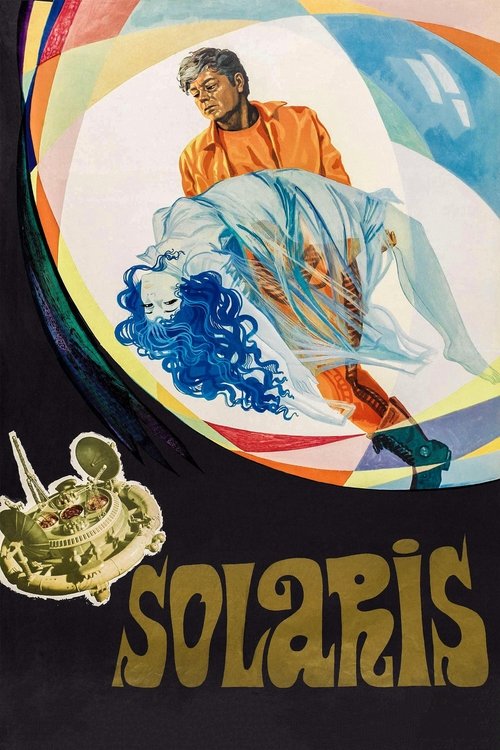
Solaris (1972)
1972 · Andrei Tarkovsky

Solaris

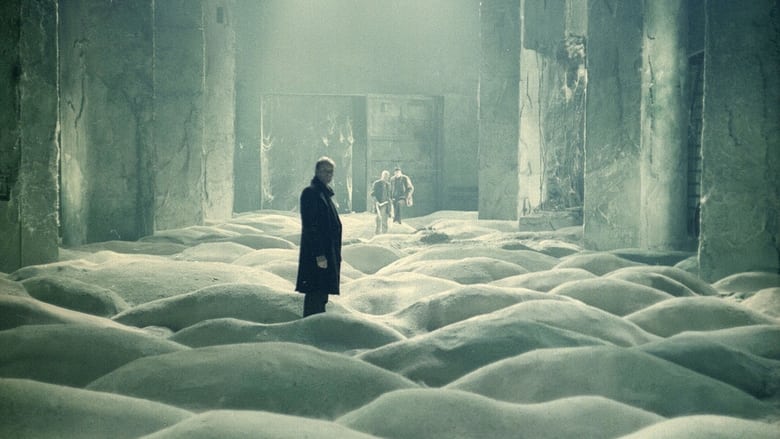
Tarkovsky's Solaris opens not in space but in rain — water moving through tall grass, a dacha going grey in the Russian afternoon. This is deliberate. The film is concerned with interiority before it reaches the cosmos.

When psychologist Kris Kelvin arrives at the space station orbiting a vast sentient ocean, what he finds is not an alien in any recognisable sense. The ocean communicates by constructing the things you most deeply suppress. His dead wife appears — solid, warm, and wrong. The film then asks, with terrible patience: if the message is assembled from your own material, is that still contact? Or is it an echo that has learned to look like something else?

This is the question sitting beneath Arrival too, though Villeneuve reaches toward connection while Tarkovsky holds his distance. Watch it after Arrival. The gap between the two films is not fifty years. It is the distance between hope and rigour.
💬 The Argument | One question. No verdict.
Every issue we pick one interpretive question and lay out two honest readings — no winner, no consensus. The point isn’t to settle the debate. It’s to make the debate worth having.
“Every alien in cinema turns out to be human underneath. Is that a failure of imagination — or are we always just looking at a better mirror?”

There is a flattering story we tell about Arrival: that Denis Villeneuve finally gave us a genuinely alien intelligence, something beyond the usual anthropomorphic shorthand. It is a good story. It is mostly wrong. The heptapods are philosophically elegant, beautifully rendered, and almost entirely in service of one human woman’s grief. Their non-linear perception of time is interesting because it maps onto how we experience loss — not because it escapes human concern. We have upgraded the alien from little green men to something that can carry Bergson and trauma theory. But we have not left the mirror.

Reading A — Failure

The villain here is critical consensus. We keep celebrating films like Arrival for their “unprecedented alien intelligence” while ignoring that the heptapods are, functionally, a grief-processing tool for one human woman. The tentacles are decorative. We have replaced little green men with something more sophisticated — but we have not escaped the mirror. We have just given it a more flattering frame.

Reading B — Confession

The anthropomorphism is not a failure — it is a confession, and confessions can be honest. Cinema can only render interiority through human cognition. What Arrival actually does is use the alien encounter to make the human strange. Louise does not understand the heptapods; she is changed by the attempt. The mirror is cracked, and the cracks are doing real philosophical work. A film that showed us something truly alien would be unwatchable.

Where do you stand?
Reading A — Failure 0%
Reading B — Confession 0%
Your vote:
🎭 Discover | Not genre. Emotion.
Algorithms sort by genre. We sort by feeling. Pick the mood you’re in and we’ll find a film that fits it — from across the full range of cinema, not just what’s trending.
Which would you watch tonight?
📡 The Weekly Pulse | What the conversation looked like this week
Three film cards every week: the most talked-about, the most divisive, and the one most people missed. Signal versus noise — what’s actually worth paying attention to right now.
Most Talked About
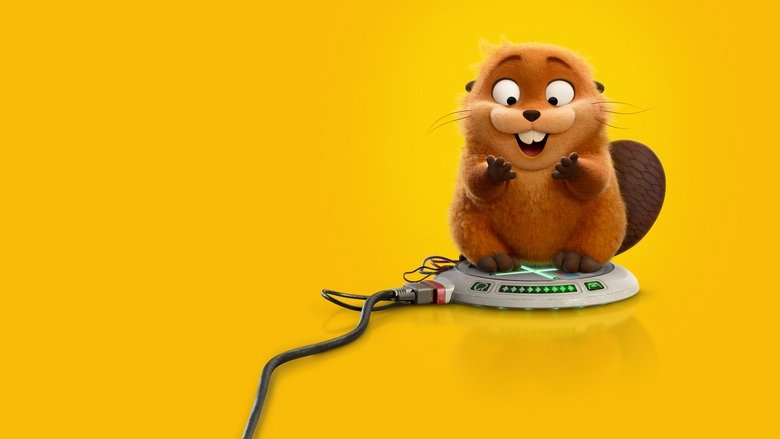
Hoppers
Daniel Chong / Pixar, 2026
Pixar’s biggest original in years. A woman transfers her consciousness into a robotic animal to communicate with the natural world. The premise sounds absurd. The film is warm, funny, and carries a quietly sincere idea at its centre: that genuine contact between two kinds of minds requires total vulnerability from one of them.
Most Divisive
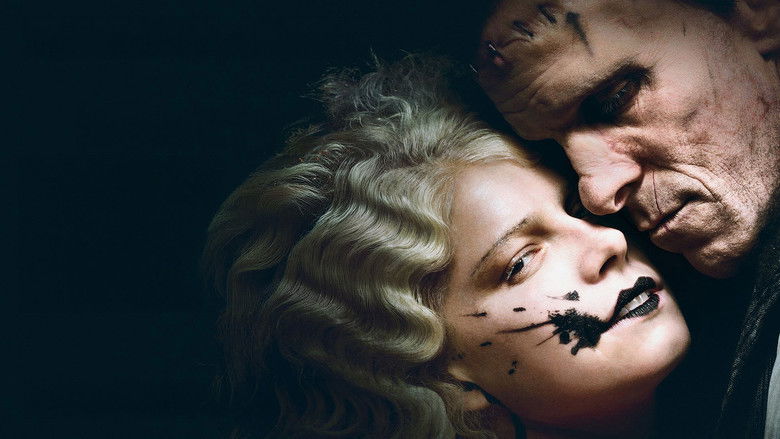
The Bride!
Maggie Gyllenhaal / Warner Bros., 2026
$13.6M against an $80M budget. The critical split is genuine — not prestige-film noise, but a real argument about whether this is a bold feminist punk statement or an expensive incoherence. The Bride is a being jolted into consciousness, encountering existence without having been consulted. Her first “Hello” to the world is simultaneously a first “No.”
Critics split — no consensus
Hidden Gem — Opens This Week
Undertone
Ian Tuason / Black Fawn Films, 2026
A debut feature about a paranormal podcast host who may be summoning an entity through old audio recordings. The encounter is sonic, tentative — a signal received from somewhere uncertain. Critics are calling it a masterclass in atmosphere built almost entirely through sound design. See it in a cinema with a good speaker system before the algorithm spoils the ending.
Opens March 13
On the horizon: Project Hail Mary opens March 20. The most directly on-theme film of the season. More next week.
📺 On Screen | Television worth your time
Screen Share covers film and television. This section tracks what’s worth watching on TV right now — three picks currently airing or just landed, and three worth keeping an eye on.
Just Released · Renewed · Airing Now
Max (HBO) · US · Season 2
The Pitt
92 Metacritic — Universal Acclaim
Each season is a single 15-hour emergency room shift in real time. The format is its argument: medicine as pure encounter — patients arriving at the threshold, strangers handing each other their worst days. Season 2 doubles down on formal rigour without the novelty cushion. The best-written American drama currently on air.
BBC One (UK) / BritBox (US) · Sally Wainwright
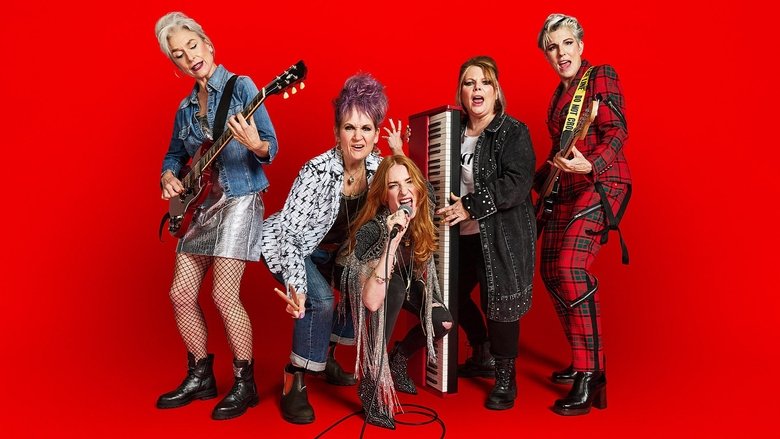
Riot Women
82 Metacritic · 92% RT
The writer of Happy Valley doing something quieter and stranger: five middle-aged women forming a punk band. What it actually is: a drama about reinvention, about women who arrive at a door they did not know existed. Fierce, funny, and profound. Just reached BritBox — this is the moment.
Prime Video · Nicole Kidman · Premiered March 11
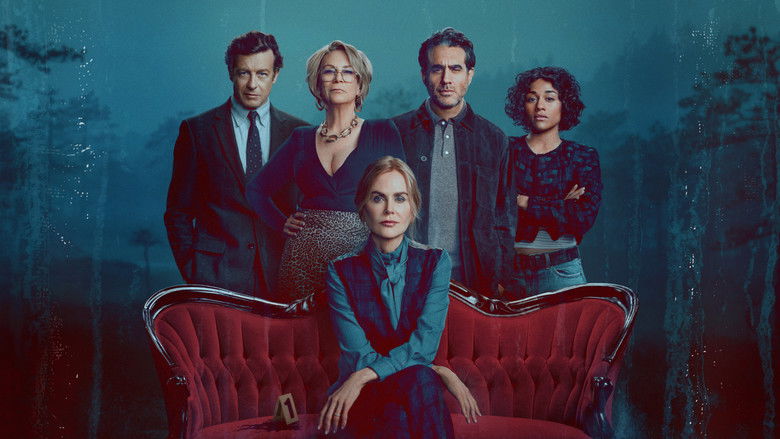
Scarpetta
Season 1 — First reviews landing now
After 120 million books sold and decades of failed adaptations, the first Kay Scarpetta arrives. Nicole Kidman produces and stars alongside Jamie Lee Curtis and Ariana DeBose. Showrunner Elizabeth Sarnoff comes from the Lost and Deadwood writers’ rooms. The pedigree is strong. The proof is in this week.
HBO / Max · Mike White · Set in Thailand
The White Lotus, Season 3
Airing now — Weekly · 88 Metacritic
Mike White returns with a new resort, new guests, and the same quietly devastating thesis: that wealth insulates people from consequences right up until it doesn’t. Season 3 is set in Thailand and leans harder into spirituality and self-delusion than its predecessors. Walton Goggins is extraordinary. Already the most discussed drama of early 2026.
On the Horizon — Worth Tracking
Prime Video · Final Season · April 8
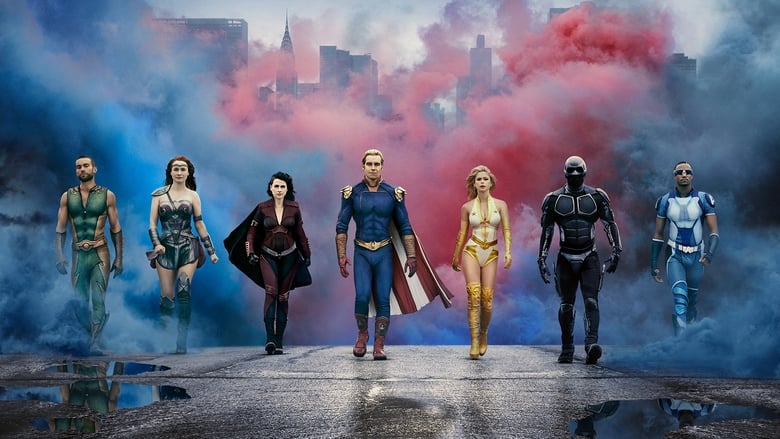
The Boys, Season 5
Weekly through May 20 — Two-episode premiere
The final season of TV’s most politically angular superhero drama. The show’s central premise has always been a collision — ordinary people making first contact with a world where power has been fully corrupted. This is the last of those encounters. Weekly through May 20.
Disney+ · April 2026 · All episodes
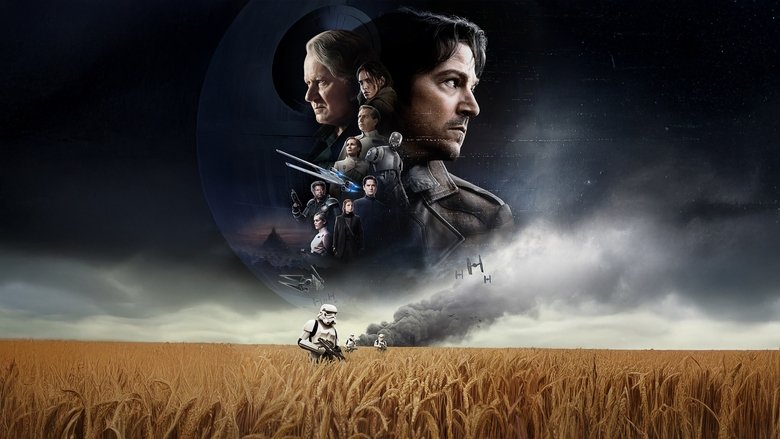
Andor, Season 2
Final season — Most anticipated return of the year
The best thing Star Wars has produced in a generation returns for its final run. Andor is a show about the cost of resistance — what it takes to begin, and what beginning costs everyone around you. Season 1 was a revelation. Season 2 completes it. Don’t come in cold: start from the beginning.
HBO / Max · 2026 · Dune prequel series
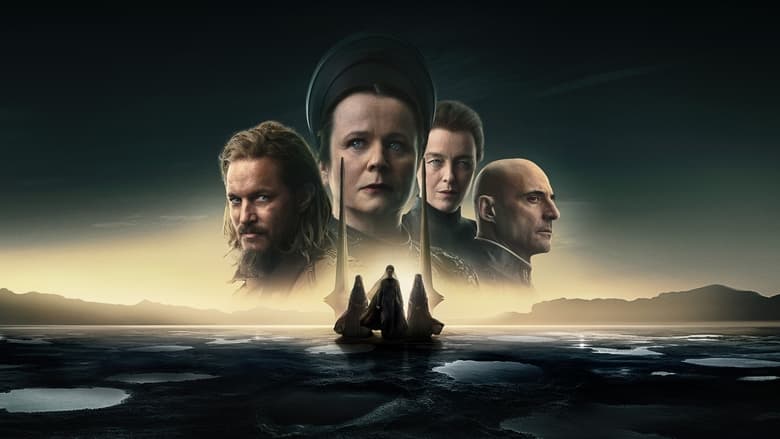
Dune: Prophecy, Season 2
Confirmed 2026 — Date TBC
Season 1 of the Bene Gesserit origin story underperformed critically but built a quiet, committed audience. Season 2 has more runway and a clearer sense of what it wants to be. If you haven’t started it yet, now is the right moment — six episodes, dense and unhurried, a story about the long game of power and how you survive first contact with it.
Netflix · 2026 · Cillian Murphy returns
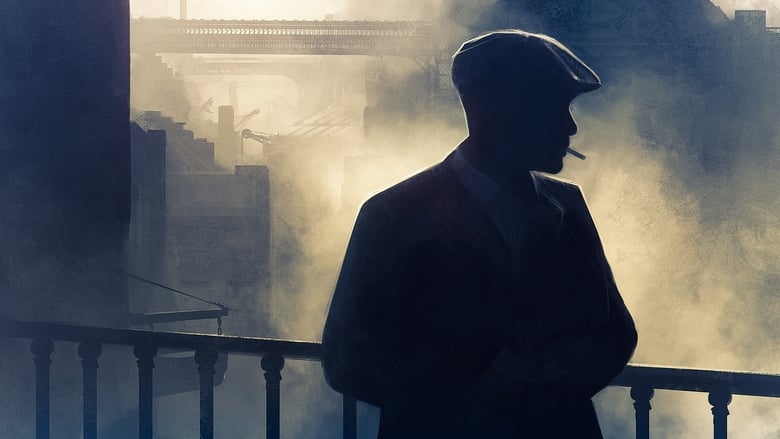
Peaky Blinders: The Film
Release date TBC — Final chapter of the Shelby story
The television run ended. The story didn’t. Steven Knight brings Tommy Shelby back for a feature film conclusion, with Cillian Murphy picking up where Season 6 left off. For anyone who came late to the series: six seasons on Netflix, now is the time to begin. The film will make more sense — and hit harder — if you arrive having done the work.
Under the Radar — Worth Finding
AMC+ · Streaming Now · Seasons 1–3 · Tony Hillerman adaptation
Dark Winds
73 Metacritic — Criminally underseen
Set on the Navajo Nation in 1970s New Mexico, Dark Winds is a slow-burn crime procedural driven by Zahn McClarnon in one of the best performances currently on television. The show operates at its own unhurried pace — alien terrain, alien logic, first encounters with a world that has been here far longer than the one encroaching on it. Three complete seasons. Start immediately.
MHz Choice · Streaming Now · Seasons 1 & 2 · Belgian/Flemish
Chantal
Voted MHz subscriber top 10 of 2025 — Dutch with subtitles
Inspector Chantal Vantomme is reassigned to a cowboy-themed rural community in western Flanders. Exactly as strange as it sounds. A crime dramedy about arrival into an alien world — the awkward first encounters of someone who never planned to be there. Dryer than most European crime, the atmosphere utterly specific. Critics ignored it. Audiences found it anyway.
Flashpoint | The moment something ignited
Cinema has always been political. Flashpoint looks back at the moment a film said something it wasn’t supposed to — and what happened when it did. History as context for the present.
The Day the Earth Stood Still (1951)
1951 · Robert Wise

The Day the Earth Stood Still

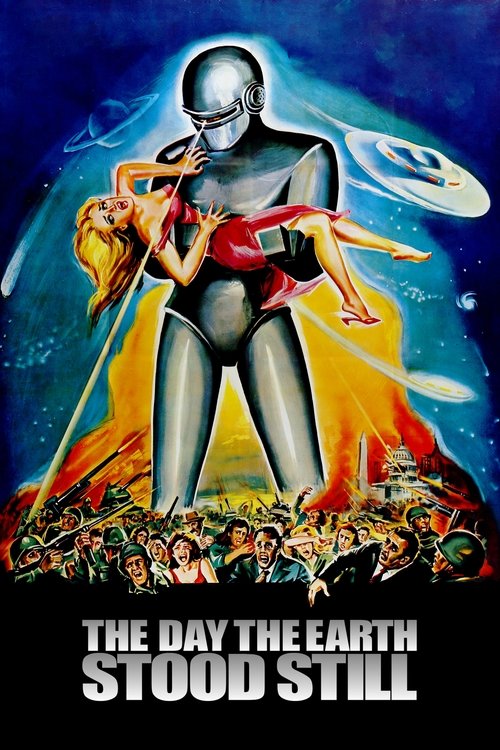
In the autumn of 1951, at the height of the McCarthy era, a Hollywood studio released a science fiction film in which an emissary from an advanced civilisation lands in Washington D.C., and is immediately shot.

Sam Jaffe, cast as the film’s Einstein-like scientist, had already been named in Red Channels — the blacklist publication — fifteen months before the film was released. The studio cast him anyway. That decision was not accidental. Screenwriter Edmund H. North had a specific agenda: to argue against nuclear proliferation and for something resembling global governance — positions that, in 1951, carried professional risk. The film’s method was genre. By putting its argument in the mouth of an alien, North and Wise found a way to say things American cinema was not supposed to say.

The controversy was not a scandal. It was subtler than that. The film was seen, understood, and discussed. It proved that cinemagoers in the most conformist moment of postwar America were still capable of receiving a dissenting argument — provided it arrived by spaceship.

The film entered the US National Film Registry in 1995. What preservation records as legacy, 1951 experienced as risk. There is a difference, and it is worth naming.

🎭 Behind the Curtain | Industry news with conscience
The business of film and television, told with conscience. Labour, power, money, and the gap between what the industry says it values and what it actually does. The stories behind the stories.
The Hollywood Reporter · February 2026

The Writers Guild Is Accused of Union-Busting Its Own Staff

In February 2026, the Writers Guild Staff Union — over 100 workers in legal, communications, residuals, and other departments — walked out against the WGA West, the very organisation that spent 2023 telling the world that writers deserved dignity, transparency, and fair labour practices. The staff union alleges surveillance of union activity, termination of union supporters, and bad-faith bargaining across 19 sessions that produced no contract. The WGA Awards ceremony was cancelled because the WGA West would not ask its own members to cross a picket line. This landed one week before the WGA began its 2026 negotiations with studios.

The interesting question is structural, not just ironic: unions are worker-advocacy bodies and also institutional employers with legal, financial, and reputational interests to protect. Those roles are genuinely in tension. This story asks whether any institution can hold both simultaneously — and what it costs when it tries.

Variety · March 5, 2026

Netflix Buys an AI Filmmaking Company — and Gets Ben Affleck’s Face on the Press Release

Netflix acquired InterPositive, a startup founded by Ben Affleck building AI tools for production: wire removal, shot reframing, filling missed coverage. The deal came days after Affleck’s own company signed a first-look deal with the same streamer. IATSE — the union representing camera operators, lighting technicians, and grips — declined to comment. Netflix has brought AI production infrastructure in-house while SAG-AFTRA and WGA are still negotiating AI protections.

The more honest frame is about how platforms manufacture legitimacy for technology adoption through creative class alignment. “Filmmaker-empowering AI” is a category designed partly to soften the scrutiny that “labour-displacing AI” would invite.

SAG-AFTRA / Industry · Ongoing

The People Who Give Films a Voice Across Languages Are Being Quietly Automated Away

Over 1,100 feature films were dubbed using AI platforms in 2025 alone — a task that previously required weeks of studio time, skilled voice actors, dialogue coaches, and translators who understood not just language but cultural register and performance. Amazon Prime Video has already deployed AI-dubbed content. The results were criticised for quality and flagged for labour impact. Neither stopped the deployment.

Arrival is a film whose entire argument turns on the idea that translation is not mechanical substitution — that how you say something changes what it means, that the frame of the language shapes the thought. The slow automation of dubbing and localisation work is a quiet erasure of exactly that: the human work of finding the right word, voice, and weight across a cultural border. It is being replaced by a four-model pipeline that takes 48 hours and costs a fraction of what a person does. The economics win. The intangibles lose.